
Private Jet Catering Tokyo: Haneda (RJTT / HND) Guide and Japanese Menus on Board
Private jet catering in Tokyo is a lesson in precision and seasonality. Japanese cuisine treats every ingredient with respect, presents each dish with care and changes its menu with the seasons, and passengers flying into or out of Tokyo Haneda (RJTT / HND) often expect the meal on board to reflect the same attention. Whether the flight is a short hop to Osaka or a long-range return to Europe, the right menu brings a little of Tokyo into the cabin.
Global Diners prepares inflight catering in our own kitchens in Paris, Nice and Madrid and in our kitchens across more than 2,500 airports, including Tokyo and the other major airports of Japan. In Tokyo, delivery is always coordinated with your FBO or handler. This guide covers Haneda and Narita departures, Japanese dishes that travel well, how to plan around the seasons and how to order with calm, clear communication.
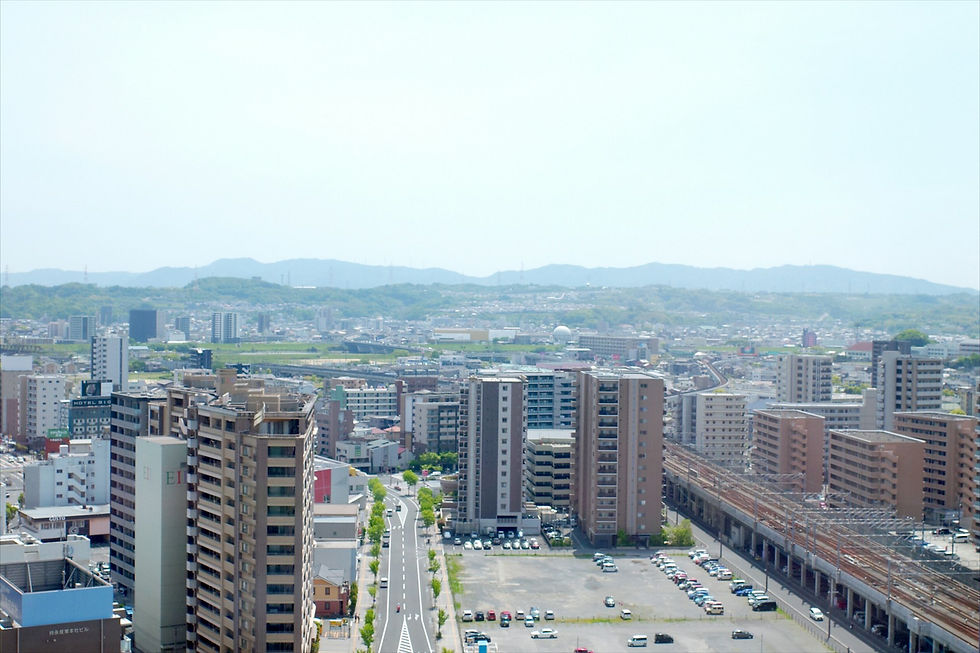
Haneda and Narita: two gateways, one approach
Haneda sits close to the city centre on Tokyo Bay, which makes it the natural choice for business travellers with meetings in Marunouchi, Ginza or Roppongi. Narita (RJAA / NRT), further east in Chiba, remains a well-established gateway for business aviation and suits longer stays and flights that combine Tokyo with the rest of Asia. Both airports welcome business jets with dedicated arrangements, and in both cases our team coordinates delivery with the FBO or handler you choose.
Because slots and ground arrangements in Tokyo are planned well in advance, catering fits most smoothly when it is planned with them. We recommend sharing the schedule, the passenger count and any dietary notes as early as possible, ideally 24 hours ahead, so our kitchens can prepare the full Global Diners menu alongside the Japanese dishes your passengers prefer.
Inbound from Europe or the Gulf: a light Japanese breakfast or a refreshing lunch helps passengers adjust after a long night flight.
Domestic legs to Osaka or Nagoya: elegant bento-style trays that can be served in minutes on a short sector.
Long-range returns: a full sequence of courses with reheating guidance, followed by fruit, tea and something sweet before landing.
Crew meals: balanced, labelled meals for pilots and cabin crew, prepared separately from the passenger service.
Japanese dishes that travel beautifully
Not every Japanese dish is designed for a cabin. Tempura is at its best seconds after frying, and ramen belongs in a noodle bar. Many other classics, however, are made to be enjoyed cold or gently warmed, which makes them a natural fit for business aviation. Our team helps crews choose dishes that keep their texture, flavour and presentation from the galley to the table.

Dish | Why it works on board | Global Diners approach |
Sushi and sashimi | Served chilled, elegant and light | Prepared close to departure, kept in the cold chain, soy and wasabi packed separately |
Wagyu tataki or grilled wagyu | Rich flavour in small portions | Sliced for easy service, with sauces in separate containers |
Bento-style trays | Several small tastes in one presentation | Each compartment labelled for allergens |
Onigiri and tamagoyaki | Easy to serve on short sectors | Wrapped individually for a quick breakfast or snack |
Miso soup and dashi broths | Warming and gentle after a long flight | Packed for reheating, with guidance for the crew |
Wagashi and seasonal fruit | A delicate sweet finish | Presented with green tea or matcha for the end of the flight |
Alongside Japanese dishes, passengers can enjoy the Global Diners menu, from caviar and smoked salmon to cheese and French pastries. Many guests on a Tokyo itinerary like to mix both: a sashimi plate as a starter, a European main course, and wagashi with tea to finish.
Seasons on the plate: shun in the cabin
In Japan, the idea of shun celebrates each ingredient at the moment it is at its best. Spring brings cherry blossom season in late March and early April, when sakura-flavoured sweets and fresh bamboo shoots appear on menus. Summer favours chilled noodles, cucumber and refreshing flavours such as yuzu and shiso. Autumn is the season of matsutake mushrooms, chestnuts and persimmons, while winter brings rich broths, citrus and the finest seafood of the year.
A Japanese menu on board is at its finest when it follows the season: fewer elements, chosen at their best and presented simply.
Our team is happy to suggest seasonal touches when you send your request. For a flight in October, for example, a passenger might enjoy grilled fish with a chestnut rice side and a persimmon to finish, while a flight in April might feature a delicate spring bento and sakura sweets with tea.
Dietary needs and presentation
Tokyo itineraries often bring together guests from different cultures, so dietary planning matters. Every Global Diners item carries allergen labelling, which is especially useful for Japanese dishes where soy, sesame, wheat, fish and shellfish are common. Halal, kosher and alcohol-free menus are available, and vegetarian passengers can enjoy dishes inspired by shojin ryori, the plant-based cuisine of Buddhist temples.

Presentation is part of Japanese hospitality. Trays are prepared so the crew can plate each course neatly, with garnishes and sauces packed separately and clear guidance on the order of service. Sake and Japanese whisky can be added subject to local rules, and premium green teas are always a calm alternative for passengers who prefer not to drink alcohol.
Beyond Tokyo: Osaka, Nagoya and the rest of Japan
Many business itineraries combine Tokyo with other cities. Kansai Osaka (RJBB / KIX) is the gateway to Osaka, Kyoto and Kobe, while Chubu Centrair (RJGG / NGO) serves Nagoya and the manufacturing heart of central Japan. Our kitchens cover these airports too, so a multi-city trip can enjoy one menu and one specialised team across every leg. Sending the whole itinerary in one request lets our team vary dishes from leg to leg and keep dietary notes consistent.
For flights that continue to Europe, our own kitchens deliver planeside at Paris (LFPB / LBG) and Nice (LFMN / NCE), so the return leg from Tokyo can be followed by a seamless European arrival. Our ultra-long-range menu planning guide shares more ideas for the longest sectors, and our guide to crew catering for layovers helps crews stay well fed during multi-day stays in Asia.
How to order catering for a Tokyo departure
Email order@globaldiners.com with the registration, airport, date, delivery time and passenger count.
Add dietary needs, allergies and any Japanese dishes your passengers would like.
Order 24 hours ahead so our kitchens can offer the full menu, and a little earlier during cherry blossom season and major events.
Receive your dedicated quote and written confirmation from our specialised team.
Our team coordinates the delivery time with your FBO or handler at Tokyo Haneda (RJTT / HND) or Narita (RJAA / NRT).
The Global Diners client portal is coming very soon. It is designed to bring the Global Diners menu, order requests, confirmations and documents into one space for crew, operations and finance. Until it opens, every request goes through order@globaldiners.com.
For a wider view of coordination across continents, read how Global Diners coordinates catering worldwide and our guide to working with handling agents.
Peak Dates for Inflight Catering at Tokyo Haneda (RJTT / HND)
Haneda is the closest airport to central Tokyo, and business-jet slots and parking are planned well ahead, especially in the cherry blossom season, during Golden Week and around the New Year. Sumo tournaments, summer festivals and the autumn foliage add further busy weeks. Catering kitchens and handlers serve a high volume of flights at these times. Book catering earlier than the standard 24 hours, confirm passenger numbers and dietary needs early, and agree delivery timing with your FBO or handler, ideally aligned with your slot. Japanese options such as bento boxes, sushi, onigiri and wagashi are available on request, as well as Western menus packed for long-haul flights.
Event | When | Where |
Cherry blossom season | Late March to early April | Ueno, Chidorigafuchi, Meguro River, Shinjuku Gyoen |
Golden Week | Late April to early May | Tokyo and nationwide |
Grand sumo tournaments | January, May and September | Ryōgoku Kokugikan |
Sanja Matsuri | May | Asakusa Shrine, Asakusa |
Sumida River Fireworks | Late July | Sumida River, Asakusa |
New Year holidays | Late December to early January | Tokyo and nationwide |
Cherry blossom season at Tokyo Haneda (RJTT / HND): Late March to early April
Sakura season is the most popular time to visit Tokyo, with parks and riversides full of people enjoying hanami under the trees. It is a lively season, and business-jet slots at Haneda are planned early. Plan catering as soon as your slot is confirmed. Seasonal Japanese menus such as sakura-themed sweets, bento with spring vegetables, and sushi are available on request, alongside Western options for long-haul departures to Europe or the United States.
Japanese festival dates and holiday periods shift a little each year, so please confirm timings with our team when you order.
Things to do around Tokyo Haneda (RJTT / HND)
Tokyo's districts each have their own character: Shibuya's crossing and Harajuku's fashion streets, Shinjuku's skyscrapers and the gardens of Shinjuku Gyoen, Asakusa's Sensō-ji temple, and the Imperial Palace East Gardens in the centre. Tokyo Skytree and the observation decks of the city's towers give wide views. Day trips by train include Hakone and Mount Fuji, the temples and Great Buddha of Kamakura, and the shrines of Nikkō. Golf, onsen and river cruises complete a stay. teamLab's immersive digital art spaces, the waterfront at Odaiba and the Tsukiji outer market are also popular, and autumn foliage in November turns the city's parks red and gold.
Culture and heritage near Tokyo Haneda (RJTT / HND)
Tokyo grew from Edo, the shogun's capital, and became Japan's capital in 1868. The Tokyo National Museum in Ueno holds the country's largest collection of Japanese art. Kabuki can be seen at the Kabuki-za in Ginza, and the Meiji Shrine sits in a forested park in the heart of the city. Modern architecture and digital art museums show Tokyo's contemporary side.
Also nearby: Narita (RJAA / NRT)
Narita International is located in Chiba Prefecture, east of central Tokyo, and remains a major international hub for the Tokyo region. Business aircraft use it as an alternative to Haneda, particularly for longer turnarounds and overnight parking, while passengers travel on to central Tokyo, Makuhari Messe's exhibition halls or the golf courses of the Bōsō Peninsula. Traffic mixes corporate visits, entertainment and sports tours, and leisure travellers starting a Japan itinerary, with long-range sectors to North America, Europe, Southeast Asia and Oceania.
Narita town is more than an airport: the Naritasan Shinshōji temple complex and its large park are a short trip from the terminals, reached through a historic street lined with shops. The canal town of Sawara, with Edo-period merchant houses and boat rides, is nearby. Chiba Prefecture has many golf courses, and the Bōsō Peninsula offers beaches, surfing at Kujūkuri and coastal scenery. Tokyo Disney Resort is in Urayasu, on the Chiba side of Tokyo Bay. Central Tokyo is about an hour away by express train, and cycling paths run through the rice fields and lakeside parks around Inba.
FBOs at every airport in this guide
Here are the business aviation terminals (FBOs) at each airport mentioned above. Our team coordinates every catering delivery with the FBO or handler you choose, and our own kitchens deliver planeside at Paris (LFPB / LBG) and Nice (LFMN / NCE).
Tokyo Haneda (RJTT / HND): InterAviation Japan Co. Ltd, FBO Japan, Noevir Aviation Co. Ltd, All Nippon Airways Co. Ltd, Haneda Airport Services Co. Ltd, IASS Co. Ltd, JAL Ground Service Co. Ltd, JAS Co. Ltd, Jetex Haneda, Mainami Kuko Service Co. Ltd, Swissport Japan Ltd and Universal Aviation
Narita (RJAA / NRT): Narita Business Avn Terminal - Premier Gate
Kansai Osaka (RJBB / KIX): FBO Japan, InterAviation Japan Co. Ltd, CKTS Co. Ltd, IASS Co. Ltd, JAS Co. Ltd, Jetex Osaka and Mainami Kuko Service Co. Ltd
Chubu Centrair (RJGG / NGO): Japcon Inc
Paris (LFPB / LBG): Dassault Falcon Service, Jet Aviation, Signature Aviation, Advanced Air Support International, Jetex Le Bourget, ExecuJet Paris and Universal Aviation France
Nice (LFMN / NCE): Signature Aviation, AviaVIP and DC Aviation G-OPS
Frequently asked questions
How do I order private jet catering at Tokyo Haneda (RJTT / HND)?
Email order@globaldiners.com with the registration, date, delivery time, passenger count and dietary needs. Our specialised team sends a dedicated quote and confirms every detail in writing. We recommend ordering 24 hours ahead.
Is catering delivered to the aircraft in Tokyo?
In Tokyo, delivery is coordinated with your FBO or handler, who brings the catering on board according to the airport's procedures. Planeside delivery by our own kitchens is offered in Paris (LFPB / LBG) and Nice (LFMN / NCE).
Can Global Diners prepare sushi and sashimi for a business jet?
Yes. Sushi and sashimi are prepared close to departure and kept in the cold chain, with soy sauce and wasabi packed separately and allergen labelling on every item.
Are halal and kosher meals available on flights from Tokyo?
Yes. Halal, kosher and alcohol-free menus are available, as well as vegetarian dishes inspired by Japanese temple cuisine.
Can I order a Japanese bento for a business jet flight from Tokyo Haneda (RJTT / HND)?
Yes. For departures from Tokyo Haneda (RJTT / HND), Japanese bento boxes are available on request, typically with rice, grilled fish or wagyu, tamagoyaki, pickles and seasonal vegetables. Each box is packed for the cabin and can be served at room temperature or chilled. Our team can also add wagyu sandos, onigiri and matcha sweets for a lighter service.
Can Global Diners collect sushi from a Tokyo restaurant for a Haneda (RJTT / HND) departure?
Yes. Restaurant pick-up for flights from Tokyo Haneda (RJTT / HND) is available on request, subject to the restaurant's agreement and opening hours. Because raw fish is time-sensitive, we suggest serving sushi soon after departure and pairing it with cooked dishes for later in the flight. Our team will coordinate collection and delivery with your FBO or handler.
Explore more destinations and guides
Private jet catering in Tokyo Haneda (RJTT / HND)
Private jet catering in Narita (RJAA / NRT)
Private jet catering in Kansai Osaka (RJBB / KIX)
Planning a flight to or from Tokyo?
From spring blossoms to winter broths, Global Diners brings one menu, one specialised team and our kitchens across more than 2,500 airports to every flight through Tokyo. Share your schedule and our team will prepare a dedicated quote, so the Japanese art of hospitality continues all the way on board.
To request a quote, email order@globaldiners.com with your aircraft registration, airport, date, delivery time and passenger count. Our specialised team replies with a dedicated quote for your mission.


Comments